


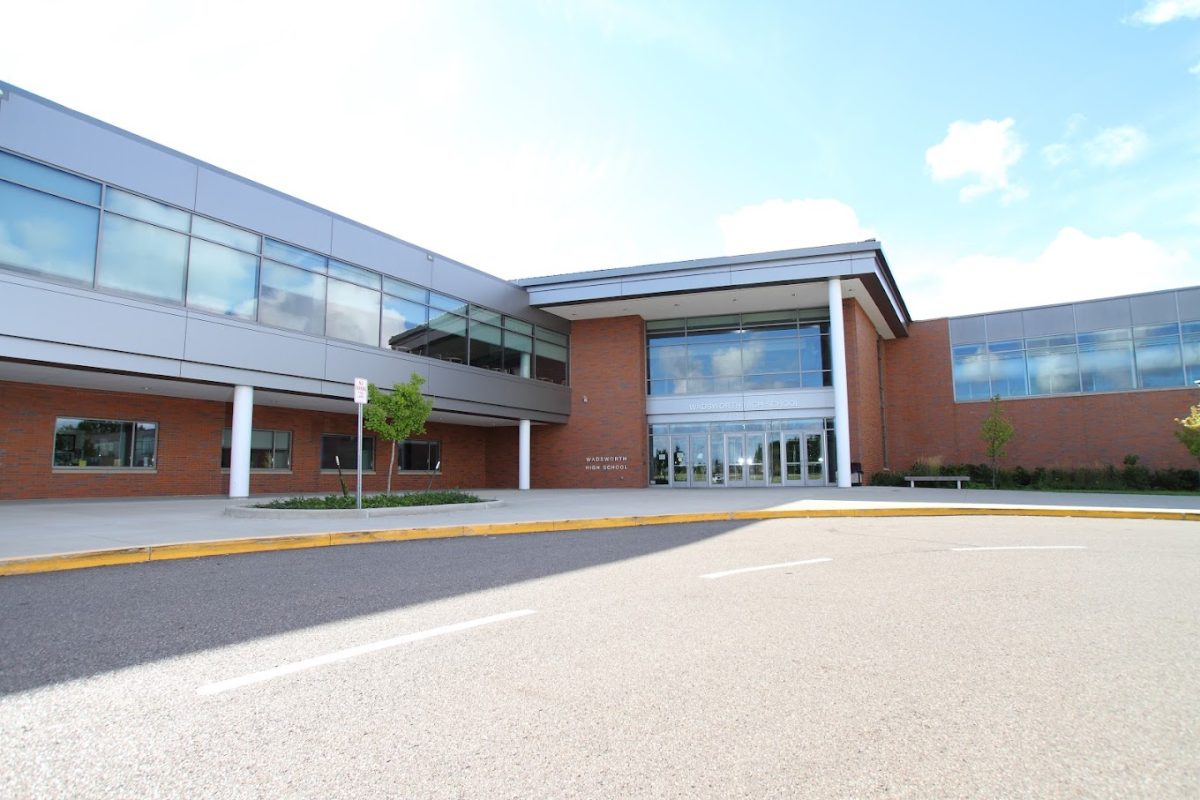

























The 1.5% earned-income tax levy for the Wadsworth City School District failed on Tuesday, May 5, 2026, and the community is asking the Wadsworth School Board what comes next.
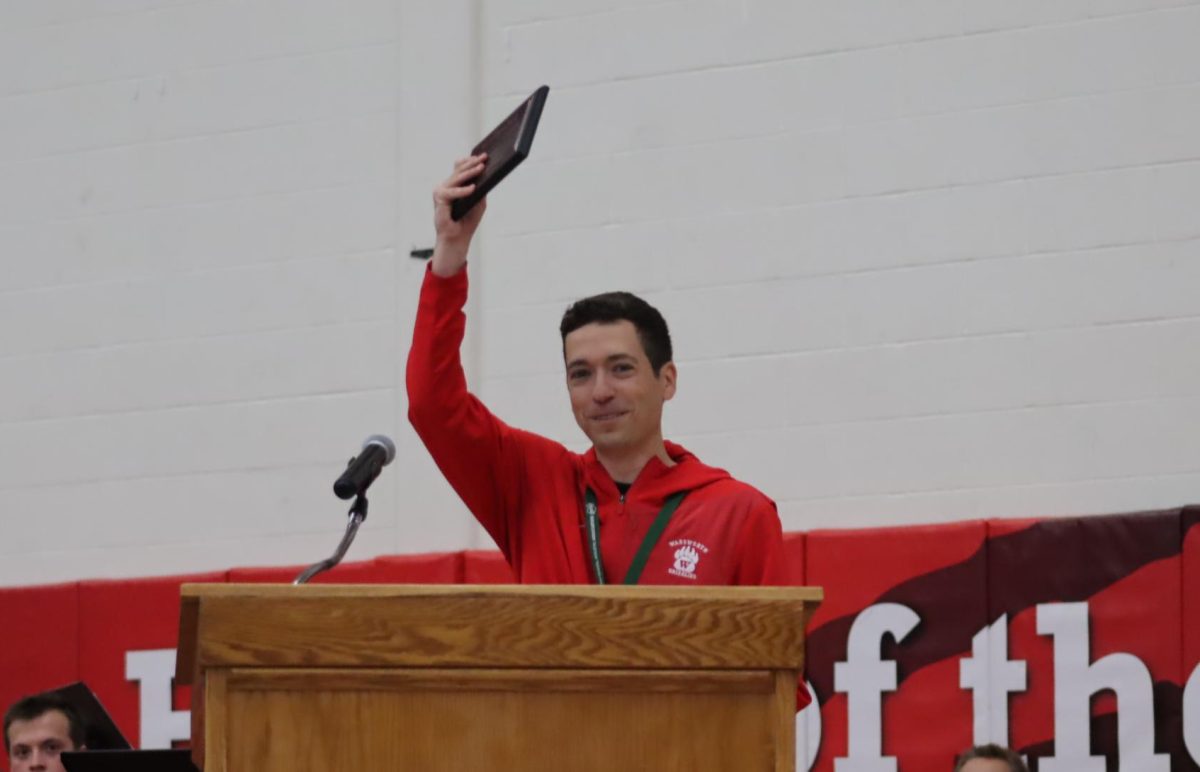
Doug Beeman, treasurer of Wadsworth Schools, is tasked with assessing district finances and proper fund delegation across various categories.
“We’ve spent the last week and a half looking at every angle possible because our ultimate goal is to save people’s jobs,” Beeman said.
Teacher-to-student ratios have been rising due to decreasing enrollment numbers, from an estimated 4,800 to 4,000 students at the K-12 levels within the past decade. The district has been cutting down on staff by not rehiring individuals who are retiring or resigning, but another levy defeat may result in accelerated cuts.
“A number of the teachers here at the high school last year who retired were not replaced,” Beeman said. “So we’ve been reducing staff, and that’s been increasing class size. We felt it was more important to make those changes and increase class size rather than taking away programs. So instead of eliminating electives at the high school or eliminating extracurricular activities or changing transportation, whatever that might be, we thought increasing class size was better because it didn’t take away opportunities for kids.”
According to Beeman, merely cutting the district budget is not going to fix the situation, as the district expenses are estimated to keep growing while revenues remain stagnant. He said the board is being strategic about the budget cuts in an attempt to avoid any mid-year disruptions, like staffing issues and student scheduling difficulties.
Home-based elementary assignments for students attending a school that is in their designated residential attendance zones can no longer be guaranteed. This means students may be reassigned to different schools across the district to balance class sizes efficiently, even if another school is closer to their home.
“With these reductions, 14 less elementary sections, a lot of kids are going to get moved around next year to keep class sizes at that 25 to 26,” Beeman said.
Along with staff reductions, Beeman discussed other budget cuts: transportation and technology.
“We typically buy two or three school buses a year… If you don’t buy them for a couple of years, you’re going to have to extend the life of those school buses,” Beeman said. “[Tech cuts are] just general purchasing, so we [put money towards] the Wi-Fi, and kids’ Chromebooks are going to have to last more than 4 years.”
Beeman explained that the current budget cuts were temporary solutions. The money saved after this round of financial analysis could steady costs for the 2027 to 2028 school year, but would fall short in the long term.
“If we don’t secure new funding, then we’re going to have to get a little bit deeper [into school funds]. There’s going to be a point where we’re not going to protect jobs anymore, and we’re going to impact kids’ experiences,” Beeman said.
Even in times of financial stress, Beeman and other workers in the district are optimistic that the community continues to value education and will support the district if the board proposes further plans.