



















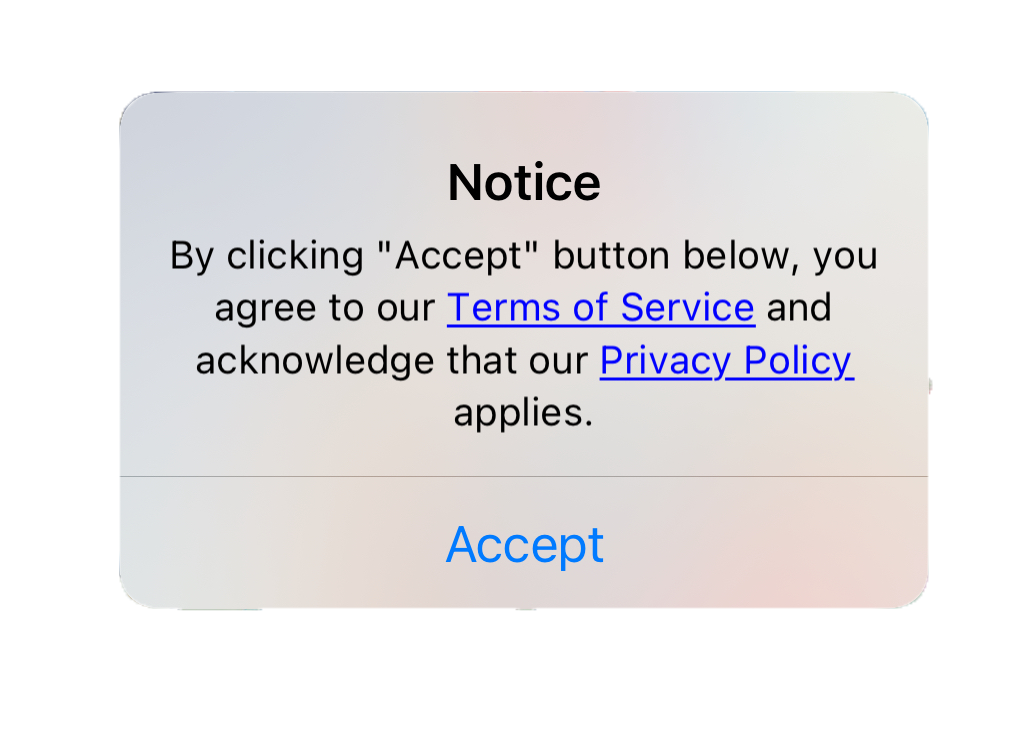






Whenever a user signs into an app, website or online service, their information is recorded and stored by the company that operates it and if that company handles the user’s data illegally, they should be fined and punished.
While many people assume there are few limitations in place to guard this information, public schools are required to follow strict federal laws that regulate how student data is collected, monitored and protected. These laws are designed to balance online safety with student privacy, especially in educational settings where technology is used daily.
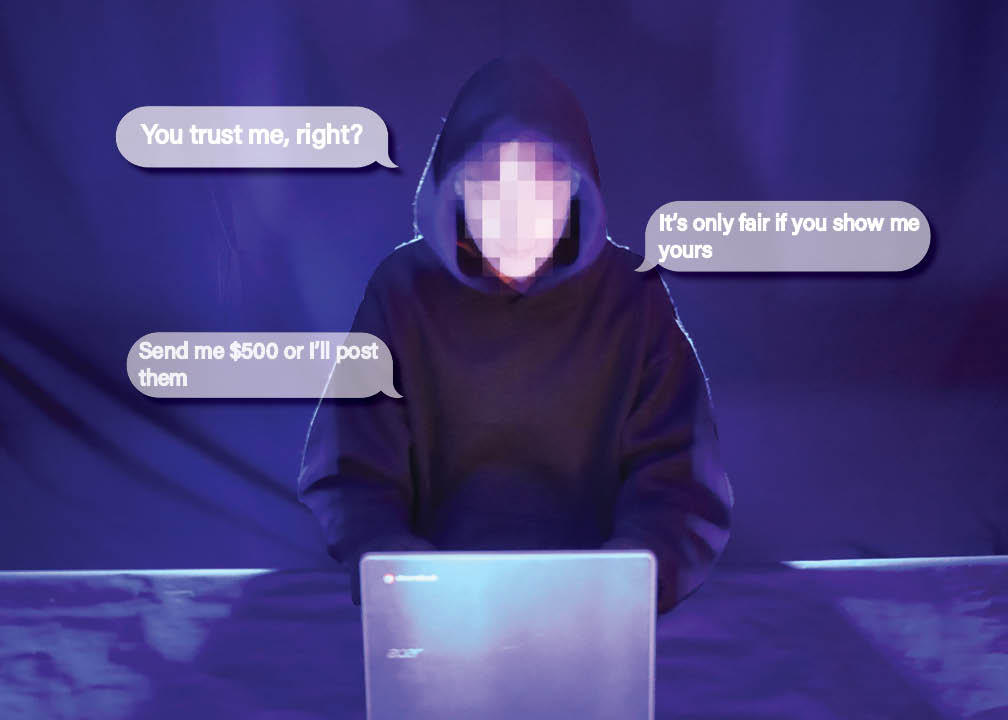
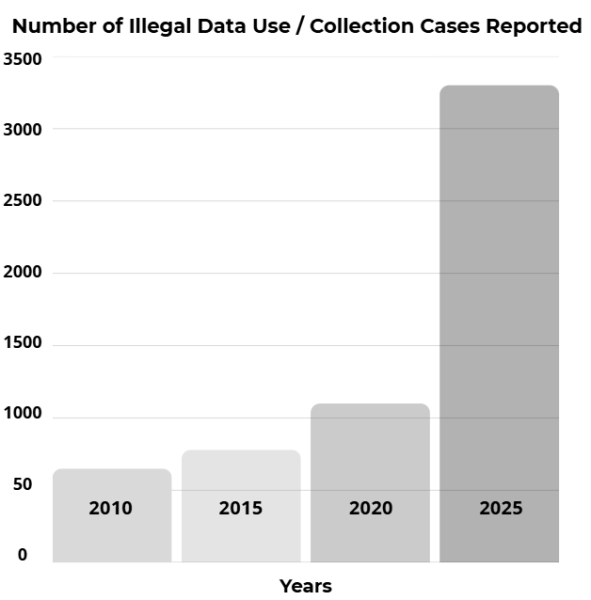
Data misuse remains a major concern for students and families. When a data breach occurs on a social media platform, educational service, or banking website, private information such as login credentials, saved documents, messages or browsing history can be stolen and misused. This information may be exploited for illegal profit, targeted advertising, identity theft or digital surveillance.
Because of these risks, companies should clearly explain what data is collected, how it is stored and who has access to it before users agree to any terms or policies. At Wadsworth City Schools, data collection on school-issued devices is governed by federal law. According to Phil Luthman, the District’s Director of Technology, online activity is monitored primarily due to the Children’s Internet
Protection Act (CIPA). This federal law requires schools that receive federal funding to filter and monitor internet use to prevent minors from accessing inappropriate or harmful content. Because the district receives significant federal funding for technology upgrades, compliance with CIPA is mandatory. “Everything that you do on your Chromebook or on your Google Account is tracked and logged,” Luthman explained.
However, he emphasized that this monitoring does not mean student data is freely accessible. He explained that the Family Educational Rights and Privacy Act (FERPA) strictly limits who can view student information. Under FERPA, student data can be shared only with a student’s parents or guardians and authorized administrators, protecting it from improper access by teachers or other staff. Luthman also clarified that personal devices are handled very differently from school-issued Chromebooks.
While the school can see which websites are accessed when a personal phone or laptop connects to school Wi-Fi, it cannot track students off campus, read text messages, view installed apps, access cameras or microphones, or control personal devices in any way. This system was intentionally designed to protect student privacy rather than maximize surveillance.
Student reactions to data collection are mixed; junior Holly Dunlap said she was initially unaware of how student data was handled.
“I didn’t originally sign Final Forms knowing that they used our data like that, but at least I know it’s secured and safe,” Dunlap said. “As long as it’s secured and not shared with anyone that’s not my parents or important higher-ups,” Dunlap mentioned.
As technology continues to expand in schools, transparency, strong security measures and accountability remain essential in protecting student privacy while maintaining a safe digital learning environment.